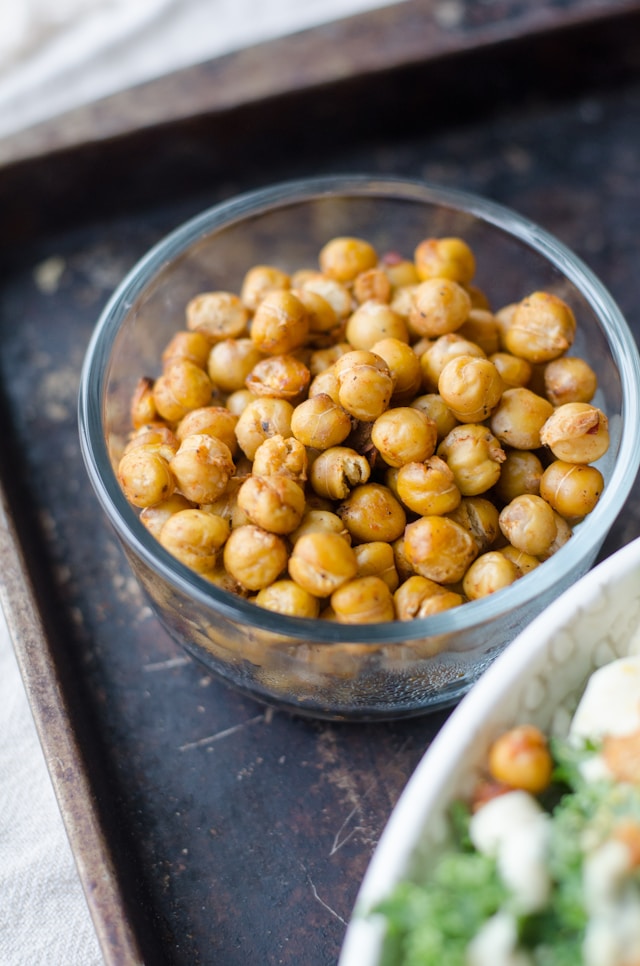
Chickpeas are the rare pantry food that can become breakfast, lunch, dinner or a snack without feeling like the same meal.
What you get from 100 g cooked
| Energy | 164 kcal |
| Protein | 8.9 g |
| Carbohydrate | 27.4 g |
| Fat | 2.6 g |
| Fibre | 7.6 g |
Source: USDA FoodData Central – www.fdc.nal.usda.gov. Values are approximate and may vary by variety and preparation.
| Read the numbers this wayThis serving gives a meaningful amount of protein, enough fibre to influence fullness and digestion, a useful carbohydrate base. The more important story is what its key nutrients do once the ingredient becomes part of a complete meal. |
Why it earns a place
Their protein helps tissue repair, while fibre slows digestion and helps regular bowel function. Folate helps make new cells, and iron helps carry oxygen; pairing chickpeas with lemon or tomato helps the body absorb plant iron better. Because they combine fibre and protein, chickpeas usually keep you satisfied longer than refined crackers or biscuits.
Protein: the repair material
Your body uses protein to replace worn-out cells and maintain muscle, skin, enzymes and many hormones. A meal with enough protein usually keeps you satisfied for longer than one built mainly from refined starch.
Dietary fibre: smoother digestion and steadier energy
Fibre gives stool enough bulk to move through the gut more easily. It also slows the release of sugar from a meal, so energy arrives more steadily instead of rising and falling all at once.
Folate: for making fresh cells
Folate is a B-vitamin the body uses whenever it copies DNA and makes new cells. That work is constant in the blood, skin and gut, and it becomes especially important during pregnancy and periods of growth.
Vitamin C: the builder and iron helper
Vitamin C helps the body make collagen, the strong framework used in skin, gums, blood vessels and healing tissue. Eaten with beans, grains or leafy vegetables, it also helps the gut absorb more of their iron.
Who may find this food especially useful
| People who want a filling meal without relying on meatPulses combine plant protein with fibre, so they work well for students, vegetarians and anyone who feels hungry soon after a refined snack. Pair them with rice or roti and a vitamin-C-rich food such as lemon or tomato. |
What needs context
| The limitation worth knowingIncrease portions gradually if legumes make you bloated. Canned chickpeas should be rinsed to reduce sodium. |
Try this next time
Quick chana salad
Mix 1 cup cooked chickpeas with onion, tomato, cucumber, lemon and coriander.
Source: Chana Salad – www.indianhealthyrecipes.com