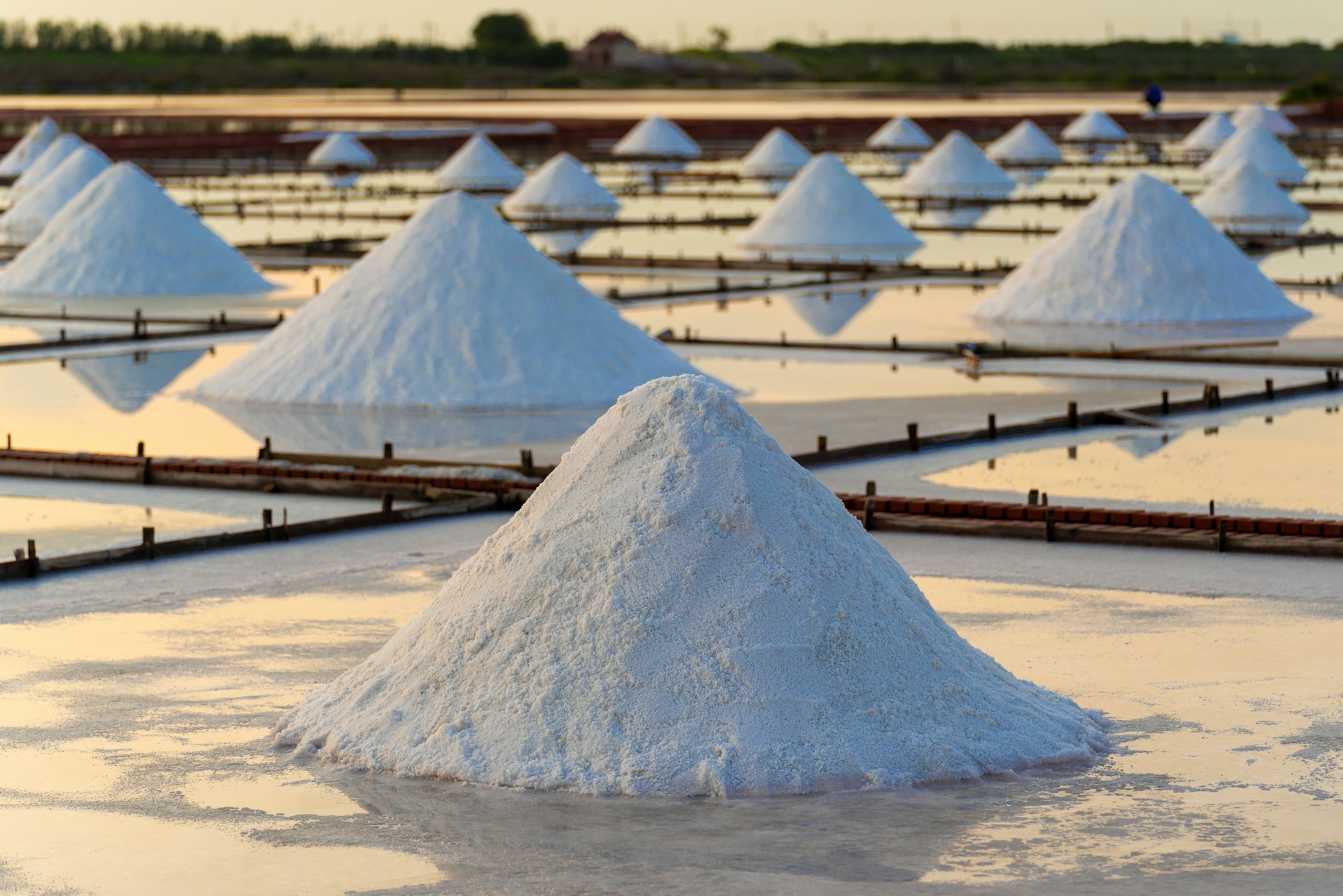
Salt is the ingredient almost nobody measures, even though it can change both the taste of dinner and the pressure inside your blood vessels.
What you get from 1 teaspoon (6 g)
| Energy | 0 kcal |
| Protein | 0 g |
| Carbohydrate | 0 g |
| Fat | 0 g |
| Fibre | 0 g |
Source: USDA FoodData Central – www.fdc.nal.usda.gov. Values are approximate and may vary by variety and preparation.
| Read the numbers this wayThis serving gives a small macronutrient contribution in the serving normally used. The more important story is what its key nutrients do once the ingredient becomes part of a complete meal. |
Why it earns a place
Sodium helps nerves send signals and muscles contract. The body needs some, but most people get more than enough. Too much sodium pulls water into the bloodstream, increasing the volume the heart has to pump. The useful skill is not removing salt completely; it is using enough to make food enjoyable while letting lemon, herbs, garlic, chilli and toasted spices do more of the work.
Vitamin C: the builder and iron helper
Vitamin C helps the body make collagen, the strong framework used in skin, gums, blood vessels and healing tissue. Eaten with beans, grains or leafy vegetables, it also helps the gut absorb more of their iron.
Carotenoids: colour with a job
These orange, red and dark-green plant pigments help protect cells from everyday damage. Some can also be converted into vitamin A, which the eyes use for low-light vision and the body uses to maintain healthy skin and protective linings.
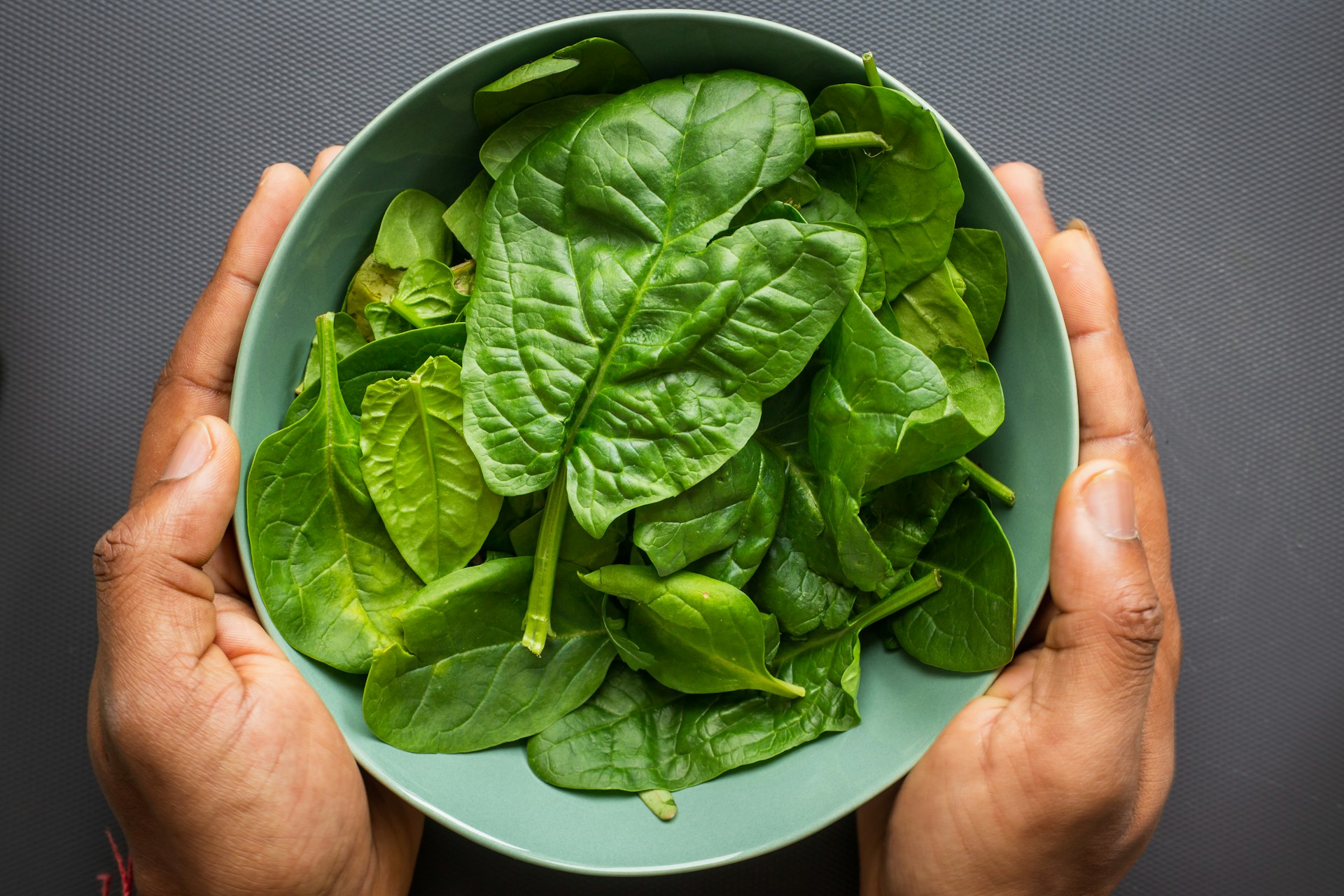
Vitamin A: vision and protective surfaces
Vitamin A helps the eyes adjust when light is low and keeps the lining of the lungs, gut and skin working as a barrier. Bright orange and dark-green plants often provide carotenoids that the body can turn into vitamin A.
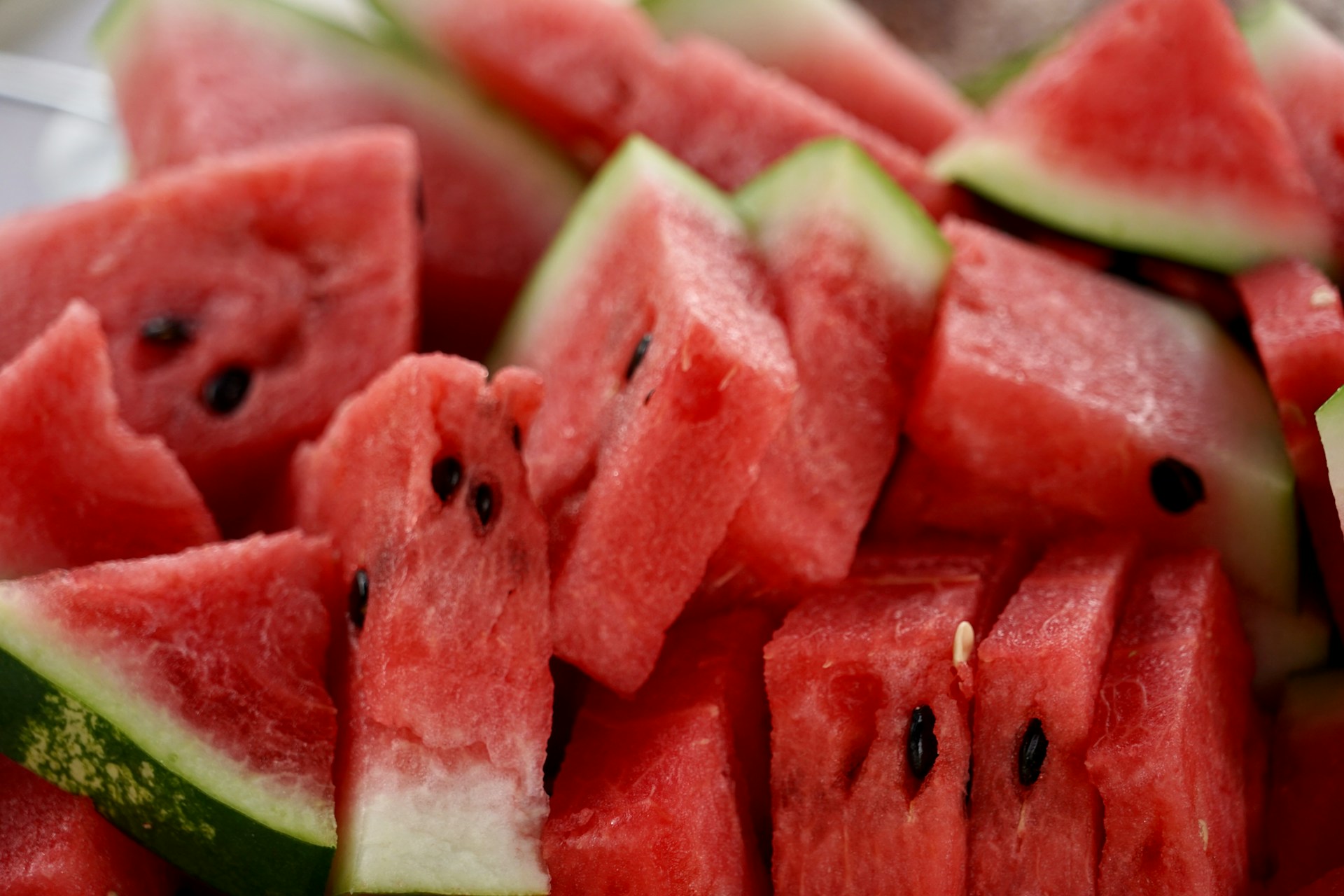
Water: useful hydration that also comes with food
Water-rich foods replace some fluid while also supplying flavour and nutrients. They can be easier to eat in hot weather or when appetite is low, although they do not replace oral rehydration solution during significant dehydration.
Who may find this food especially useful
| People who use it often without noticing the quantityThis ingredient is most worth understanding for people who add it automatically. Measuring once or twice can reveal how quickly sodium or free sugar accumulates. |
What needs context
| The limitation worth knowingWHO advises adults to keep salt below about 5 g a day. Packaged foods, pickles, papad and sauces can contribute more than the salt added at the table. Sodium pulls water into the bloodstream. Over time, that extra volume can increase blood pressure and the work done by the heart. |
Try this next time
Cumin-mint seasoning
Mix roasted cumin, black pepper, dried mint and lemon zest. Sprinkle over curd, fruit or salad before adding extra salt.
Source: Salt-free seasoning ideas – www.heart.org