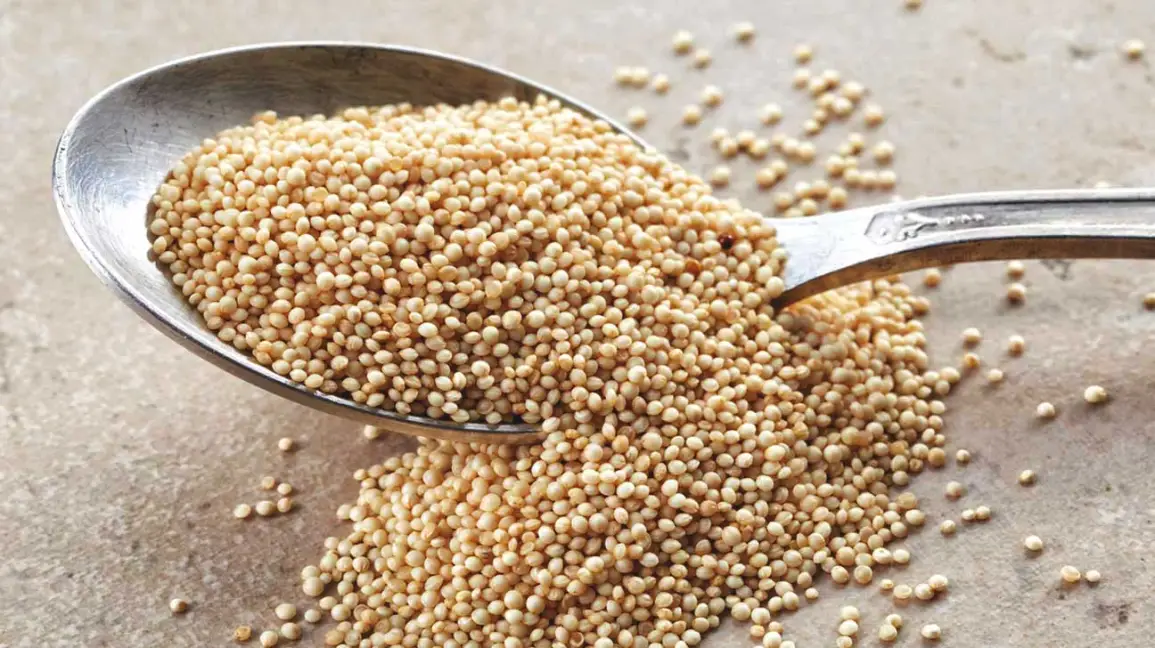
Amaranth is often sold as an exotic grain even though it has been eaten for centuries and cooks like a very practical porridge.
What you get from 100 g cooked
| Energy | 102 kcal |
| Protein | 3.8 g |
| Carbohydrate | 18.7 g |
| Fat | 1.6 g |
| Fibre | 2.1 g |
Source: USDA FoodData Central – www.fdc.nal.usda.gov. Values are approximate and may vary by variety and preparation.
| Read the numbers this wayThis serving gives a small macronutrient contribution in the serving normally used. The more important story is what its key nutrients do once the ingredient becomes part of a complete meal. |
Why it earns a place
It supplies carbohydrate, protein, magnesium and iron. Magnesium helps hundreds of enzyme reactions, including those involved in energy release and muscle function; iron helps transport oxygen. It is naturally gluten-free and can add variety when rice and wheat dominate the week.
Protein: the repair material
Your body uses protein to replace worn-out cells and maintain muscle, skin, enzymes and many hormones. A meal with enough protein usually keeps you satisfied for longer than one built mainly from refined starch.
Dietary fibre: smoother digestion and steadier energy
Fibre gives stool enough bulk to move through the gut more easily. It also slows the release of sugar from a meal, so energy arrives more steadily instead of rising and falling all at once.
Calcium: more than strong bones
Calcium gives bones and teeth their structure, but it also helps muscles contract and nerves send messages. The body keeps blood calcium tightly controlled, so regular food sources matter over time.
Iron: carrying oxygen
Iron sits inside haemoglobin, the part of red blood cells that carries oxygen. Low iron can leave the body trying to work with a smaller oxygen-delivery system; vitamin C eaten in the same meal improves absorption of plant iron.
Who may find this food especially useful
| People who need practical energy that can anchor a full mealGrains are useful for active people, growing teenagers and anyone with a small food budget. They work best beside protein and vegetables rather than taking up the whole plate. |
What needs context
| The limitation worth knowingThe grain is small and can become sticky; rinse it and use the right water ratio. Gluten-free does not automatically mean lower calorie. |
Try this next time
Amaranth porridge
Simmer 1/2 cup amaranth grain in 1 1/2 cups water or milk until soft. Add fruit and cinnamon.
Source: Amaranth Porridge – www.eatingwell.com
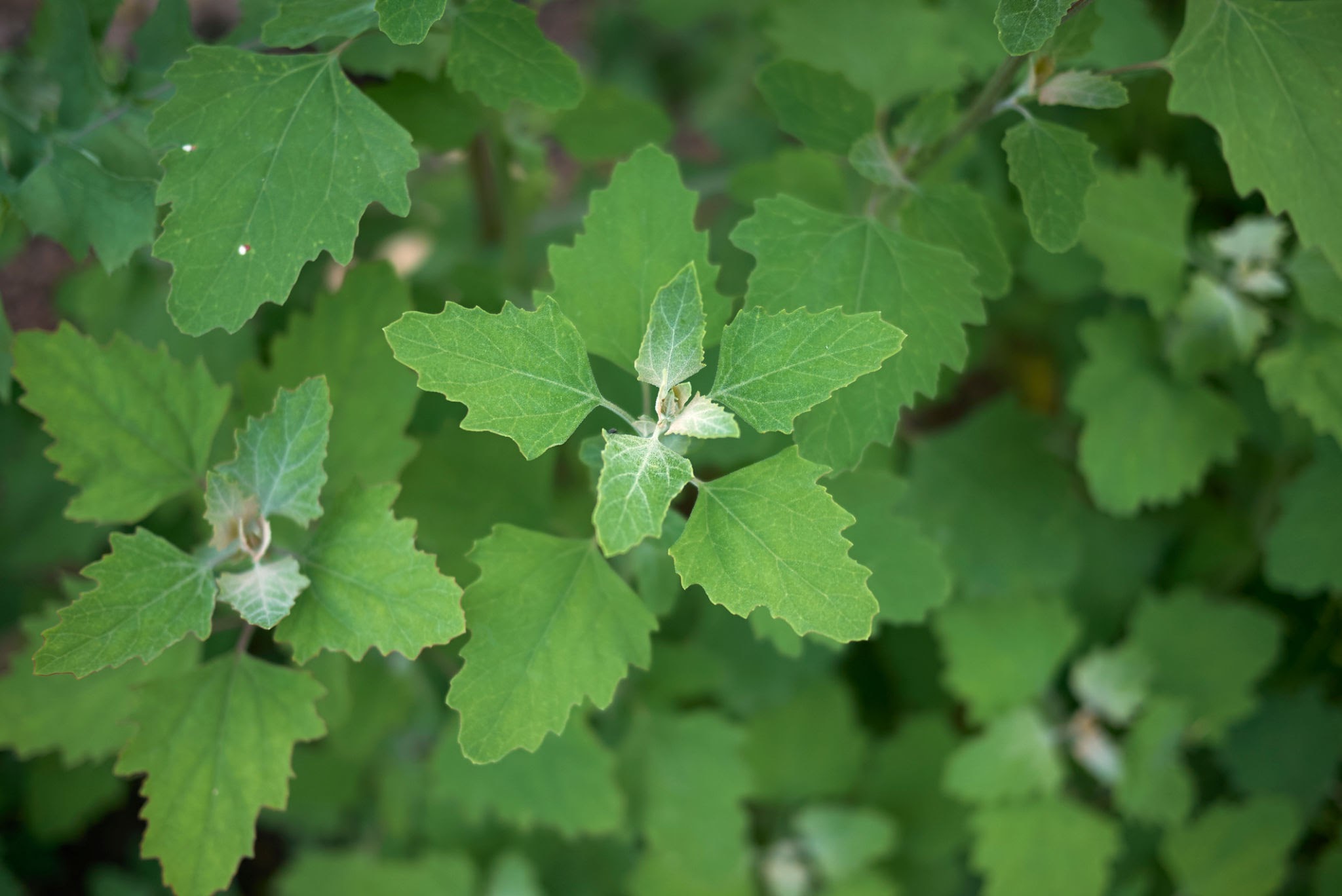
Cholai leaves are the part of amaranth that rarely receives the same attention as the fashionable grain.
What you get from 100 g cooked
| Energy | about 35 kcal |
| Protein | 3.8 g |
| Carbohydrate | 6.5 g |
| Fat | 0.2 g |
| Fibre | 3 g |
Source: USDA FoodData Central – www.fdc.nal.usda.gov. Values are approximate and may vary by variety and preparation.
| Read the numbers this wayThis serving gives enough fibre to influence fullness and digestion. The more important story is what its key nutrients do once the ingredient becomes part of a complete meal. |
Why it earns a place
They bring fibre, folate, vitamin C, vitamin K and carotenoids. Together, those nutrients support cell renewal, normal clotting, collagen formation and vision-related functions. A cooked bowl shrinks dramatically, making it easier to eat a useful amount of leafy greens in one meal.
Dietary fibre: smoother digestion and steadier energy
Fibre gives stool enough bulk to move through the gut more easily. It also slows the release of sugar from a meal, so energy arrives more steadily instead of rising and falling all at once.
Folate: for making fresh cells
Folate is a B-vitamin the body uses whenever it copies DNA and makes new cells. That work is constant in the blood, skin and gut, and it becomes especially important during pregnancy and periods of growth.
Vitamin C: the builder and iron helper
Vitamin C helps the body make collagen, the strong framework used in skin, gums, blood vessels and healing tissue. Eaten with beans, grains or leafy vegetables, it also helps the gut absorb more of their iron.
Carotenoids: colour with a job
These orange, red and dark-green plant pigments help protect cells from everyday damage. Some can also be converted into vitamin A, which the eyes use for low-light vision and the body uses to maintain healthy skin and protective linings.
Who may find this food especially useful
| People whose meals need more vegetables without becoming complicatedThese foods are especially useful for anyone dealing with constipation, low vegetable intake or meals dominated by refined grains. A simple stir-fry, sabzi or raita is enough; they do not need to become a “detox.” |
What needs context
| The limitation worth knowingWash repeatedly because leafy greens can carry soil. Oxalate content may matter for people with recurrent stones, and warfarin users should keep vitamin-K intake steady. |
Try this next time
Cholai garlic sabzi
Cook chopped cholai leaves with garlic, onion and a small amount of oil until tender.
Source: Chaulai Saag – www.vegrecipesofindia.com