Green tea is often sold as though one cup can cancel a weekend of eating. It cannot – but it can still be a useful drink.
What you get from 240 ml brewed, unsweetened
| Energy | 2 kcal |
| Protein | 0 g |
| Carbohydrate | 0 g |
| Fat | 0 g |
| Fibre | 0 g |
Source: USDA FoodData Central – www.fdc.nal.usda.gov. Values are approximate and may vary by variety and preparation.
| Read the numbers this wayThis serving gives a small macronutrient contribution in the serving normally used. The more important story is what its key nutrients do once the ingredient becomes part of a complete meal. |
Why it earns a place
It provides polyphenols, especially catechins, and some caffeine. Caffeine can improve alertness for a few hours; catechins have been studied for cholesterol and heart outcomes, but effects are modest and inconsistent. Its clearest advantage is what it can replace: a sweetened drink with almost no calories.
Plant compounds: small amounts, repeated often
Polyphenols and related plant compounds help plants defend themselves and can interact with the body’s antioxidant and signalling systems. Their value is most believable as part of a varied diet, not as a reason to take concentrated extracts.
Caffeine: alertness with a trade-off
Caffeine blocks a sleep-pressure signal in the brain, which can make you feel more alert. The same action can disturb sleep, worsen anxiety or trigger palpitations in sensitive people, especially later in the day.
Who may find this food especially useful
| People who want a lower-calorie caffeinated drinkTea can replace a sugary drink, but it is not ideal for everyone. People with reflux, anxiety, poor sleep or iron deficiency should pay attention to timing and quantity. |
What needs context
| The limitation worth knowingGreen-tea extracts are not the same as tea and have been linked to liver injury. Caffeine can affect sleep and interact with some medicines. Tea tannins can also reduce absorption of plant iron when tea is taken with meals, so people with low iron may do better drinking it between meals. |
Try this next time
Plain green tea
Steep 1 teaspoon leaves or 1 teabag in hot, not vigorously boiling, water for 2-3 minutes.
Source: How to make green tea – www.bbcgoodfood.com
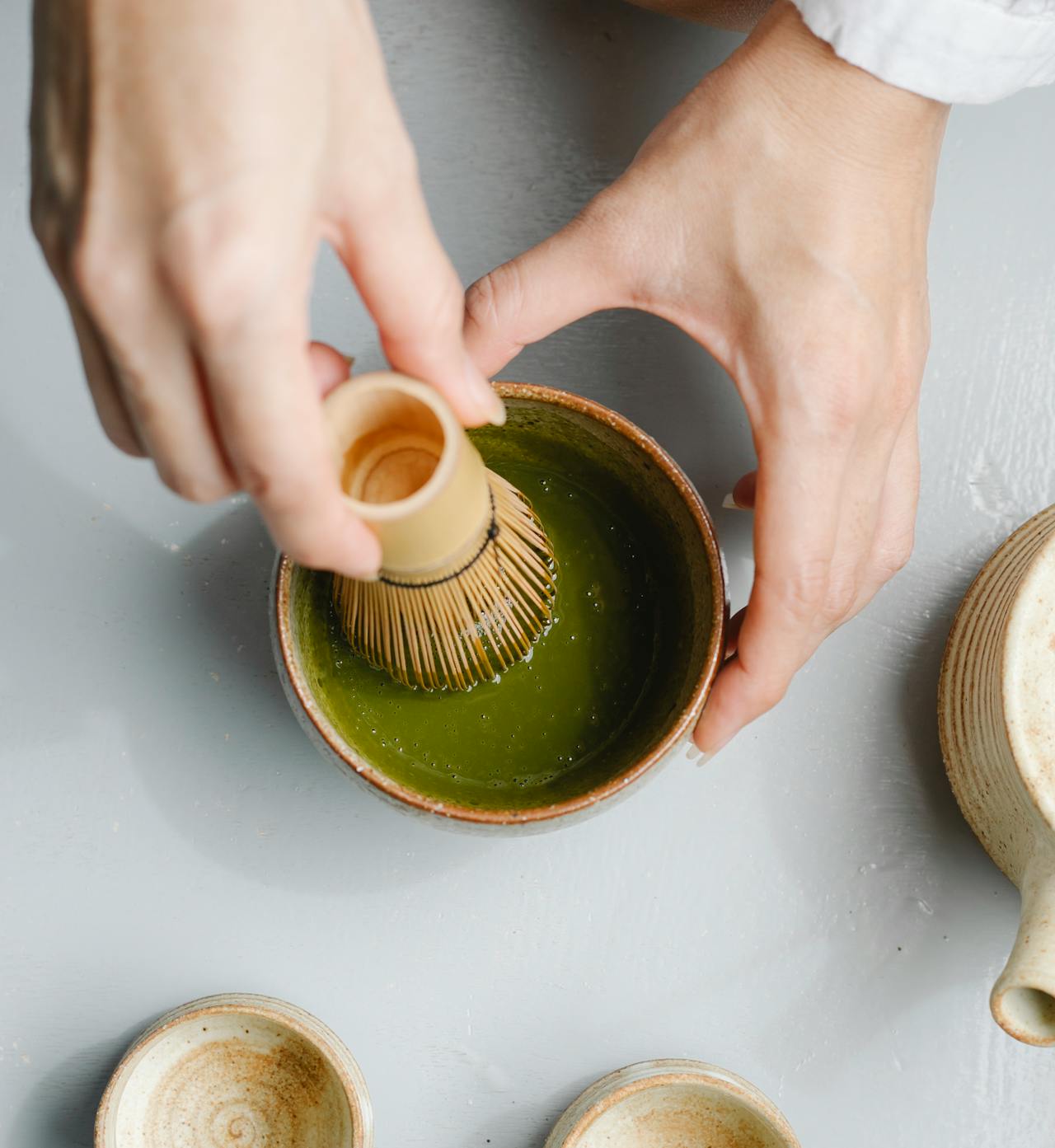
Matcha is green tea with the volume turned up: you consume the powdered leaf rather than only an infusion.
What you get from 1 teaspoon powder (2 g)
| Energy | about 6 kcal |
| Protein | 0.6 g |
| Carbohydrate | 0.8 g |
| Fat | 0.1 g |
| Fibre | 0.7 g |
Source: USDA FoodData Central – www.fdc.nal.usda.gov. Values are approximate and may vary by variety and preparation.
| Read the numbers this wayThis serving gives a small macronutrient contribution in the serving normally used. The more important story is what its key nutrients do once the ingredient becomes part of a complete meal. |
Why it earns a place
That means more catechins and caffeine per cup, though the exact amount varies by grade and preparation. It may support alertness, but it is not a detox treatment or weight-loss guarantee. Its grassy bitterness can flavour yoghurt, oats or milk without much sugar if you use a small amount.
Dietary fibre: smoother digestion and steadier energy
Fibre gives stool enough bulk to move through the gut more easily. It also slows the release of sugar from a meal, so energy arrives more steadily instead of rising and falling all at once.
Calcium: more than strong bones
Calcium gives bones and teeth their structure, but it also helps muscles contract and nerves send messages. The body keeps blood calcium tightly controlled, so regular food sources matter over time.
Live cultures: help for the gut ecosystem
Some curd and fermented foods contain live bacteria that can help the gut return to balance. The benefit depends on the strains and whether they remain alive in the product, so “fermented” does not always mean “probiotic.”
Plant compounds: small amounts, repeated often
Polyphenols and related plant compounds help plants defend themselves and can interact with the body’s antioxidant and signalling systems. Their value is most believable as part of a varied diet, not as a reason to take concentrated extracts.
Who may find this food especially useful
| People who want a lower-calorie caffeinated drinkTea can replace a sugary drink, but it is not ideal for everyone. People with reflux, anxiety, poor sleep or iron deficiency should pay attention to timing and quantity. |
What needs context
| The limitation worth knowingBecause caffeine can be substantial, avoid late-evening use if sleep is fragile. Choose tested products because tea leaves can accumulate contaminants. Tea tannins can also reduce absorption of plant iron when tea is taken with meals, so people with low iron may do better drinking it between meals. |
Try this next time
Simple matcha milk
Whisk 1/2 teaspoon matcha with 2 tablespoons warm water, then add 3/4 cup milk.
Source: Matcha Latte – www.bbcgoodfood.com