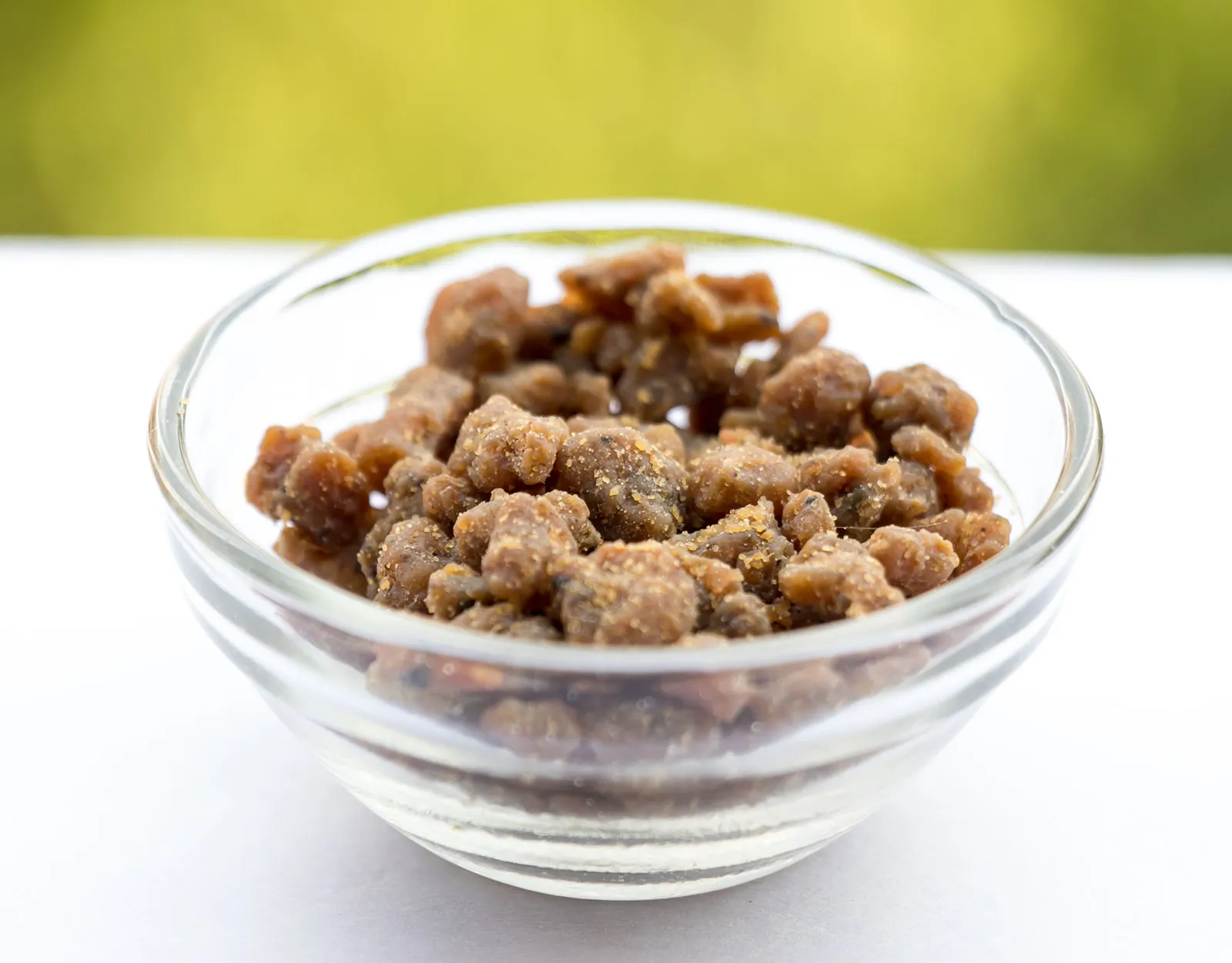
Hing is the pinch that smells alarming in the jar and completely sensible once it hits hot oil.
What you get from 1/4 teaspoon
| Energy | about 2 kcal |
| Protein | trace |
| Carbohydrate | 0.5 g |
| Fat | trace |
| Fibre | trace |
Source: USDA FoodData Central – www.fdc.nal.usda.gov. Values are approximate and may vary by variety and preparation.
| Read the numbers this wayThis serving gives a small macronutrient contribution in the serving normally used. The more important story is what its key nutrients do once the ingredient becomes part of a complete meal. |
Why it earns a place
At normal amounts, it adds almost no meaningful nutrition. Its value is the ability to build savoury depth in lentils and vegetables, especially when onion or garlic is avoided. That strong aroma can make a simple dal taste more complete with less salt.
Protein: the repair material
Your body uses protein to replace worn-out cells and maintain muscle, skin, enzymes and many hormones. A meal with enough protein usually keeps you satisfied for longer than one built mainly from refined starch.
Dietary fibre: smoother digestion and steadier energy
Fibre gives stool enough bulk to move through the gut more easily. It also slows the release of sugar from a meal, so energy arrives more steadily instead of rising and falling all at once.
Folate: for making fresh cells
Folate is a B-vitamin the body uses whenever it copies DNA and makes new cells. That work is constant in the blood, skin and gut, and it becomes especially important during pregnancy and periods of growth.
Iron: carrying oxygen
Iron sits inside haemoglobin, the part of red blood cells that carries oxygen. Low iron can leave the body trying to work with a smaller oxygen-delivery system; vitamin C eaten in the same meal improves absorption of plant iron.
Who may find this food especially useful
| People who want more flavour without depending on packaged saucesHerbs and spices are especially useful when someone is trying to reduce excess salt, sugar or heavy sauces. Culinary amounts can make simple food easier to repeat, which is usually more valuable than concentrated supplements. |
What needs context
| The limitation worth knowingMany commercial powders are blended with wheat flour, which matters for coeliac disease. Large medicinal doses are not well studied and may interact with bleeding risk. |
Try this next time
Hing jeera tadka
Warm 1 teaspoon oil, add cumin and a small pinch of hing, then stir into dal.
Source: Hing Dal Tadka – www.vegrecipesofindia.com