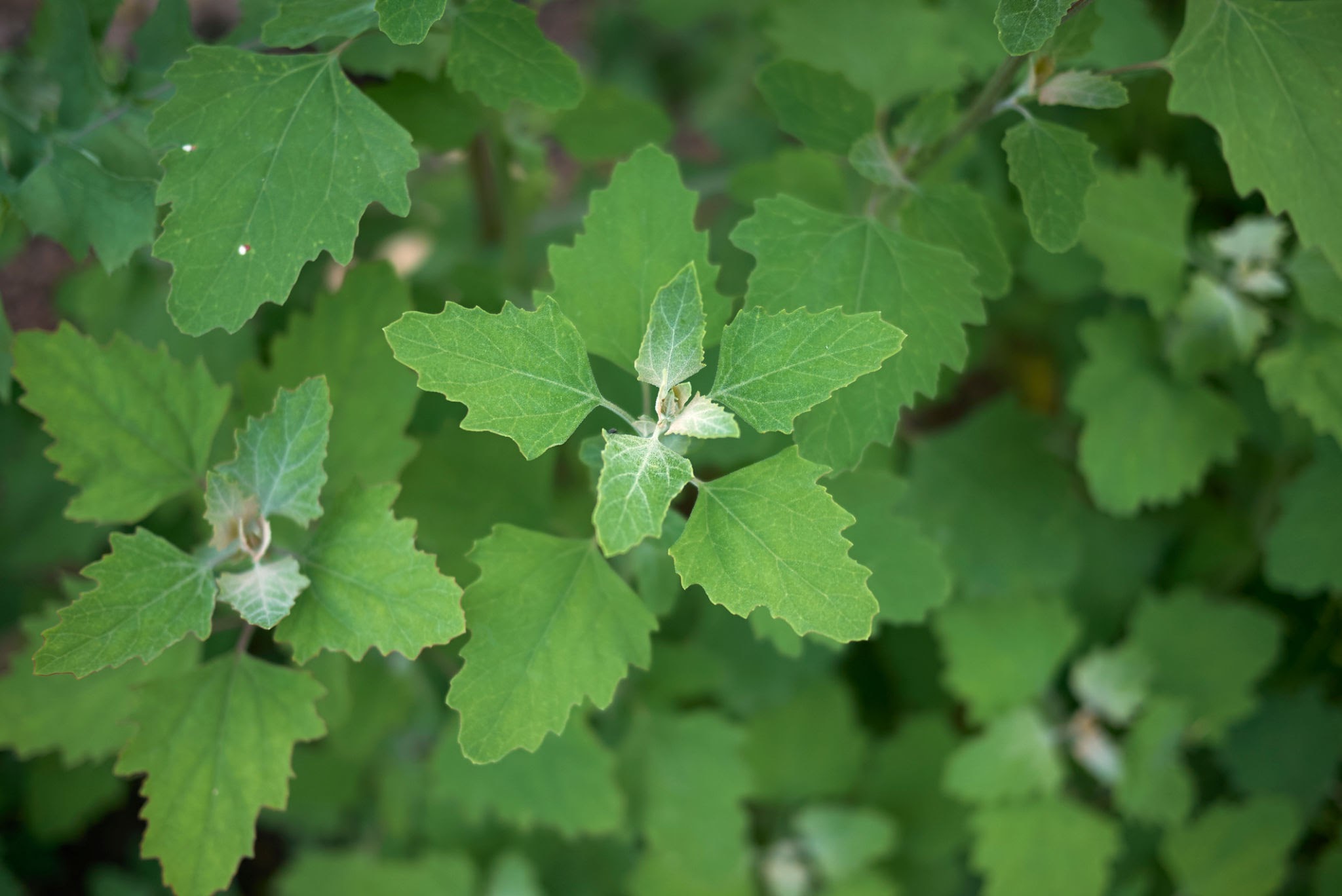
Bathua is the sort of winter green that can look ordinary in the market and become the most nourishing part of the plate by dinner.
What you get from 100 g cooked leaves
| Energy | about 43 kcal |
| Protein | 4.2 g |
| Carbohydrate | 7.3 g |
| Fat | 0.8 g |
| Fibre | 4 g |
Source: USDA FoodData Central – www.fdc.nal.usda.gov. Values are approximate and may vary by variety and preparation.
| Read the numbers this wayThis serving gives enough fibre to influence fullness and digestion. The more important story is what its key nutrients do once the ingredient becomes part of a complete meal. |
Why it earns a place
It provides fibre, folate, vitamin C, carotenoids and minerals. Folate helps rapid cell renewal, while vitamin C helps make collagen and improves absorption of plant iron from the same meal. Cooking the leaves down makes a large volume easier to eat, especially when mixed into dal, raita or dough.
Dietary fibre: smoother digestion and steadier energy
Fibre gives stool enough bulk to move through the gut more easily. It also slows the release of sugar from a meal, so energy arrives more steadily instead of rising and falling all at once.
Folate: for making fresh cells
Folate is a B-vitamin the body uses whenever it copies DNA and makes new cells. That work is constant in the blood, skin and gut, and it becomes especially important during pregnancy and periods of growth.
Vitamin C: the builder and iron helper
Vitamin C helps the body make collagen, the strong framework used in skin, gums, blood vessels and healing tissue. Eaten with beans, grains or leafy vegetables, it also helps the gut absorb more of their iron.
Carotenoids: colour with a job
These orange, red and dark-green plant pigments help protect cells from everyday damage. Some can also be converted into vitamin A, which the eyes use for low-light vision and the body uses to maintain healthy skin and protective linings.
Who may find this food especially useful
| People whose meals need more vegetables without becoming complicatedThese foods are especially useful for anyone dealing with constipation, low vegetable intake or meals dominated by refined grains. A simple stir-fry, sabzi or raita is enough; they do not need to become a “detox.” |
What needs context
| The limitation worth knowingLike several leafy greens, bathua can contain oxalates; people with recurrent calcium-oxalate stones should seek personalised advice. Wash thoroughly to remove soil. |
Try this next time
Bathua raita
Boil and finely chop bathua, then mix 1/2 cup into 1 cup curd with roasted cumin.
Source: Bathua Raita – www.vegrecipesofindia.com