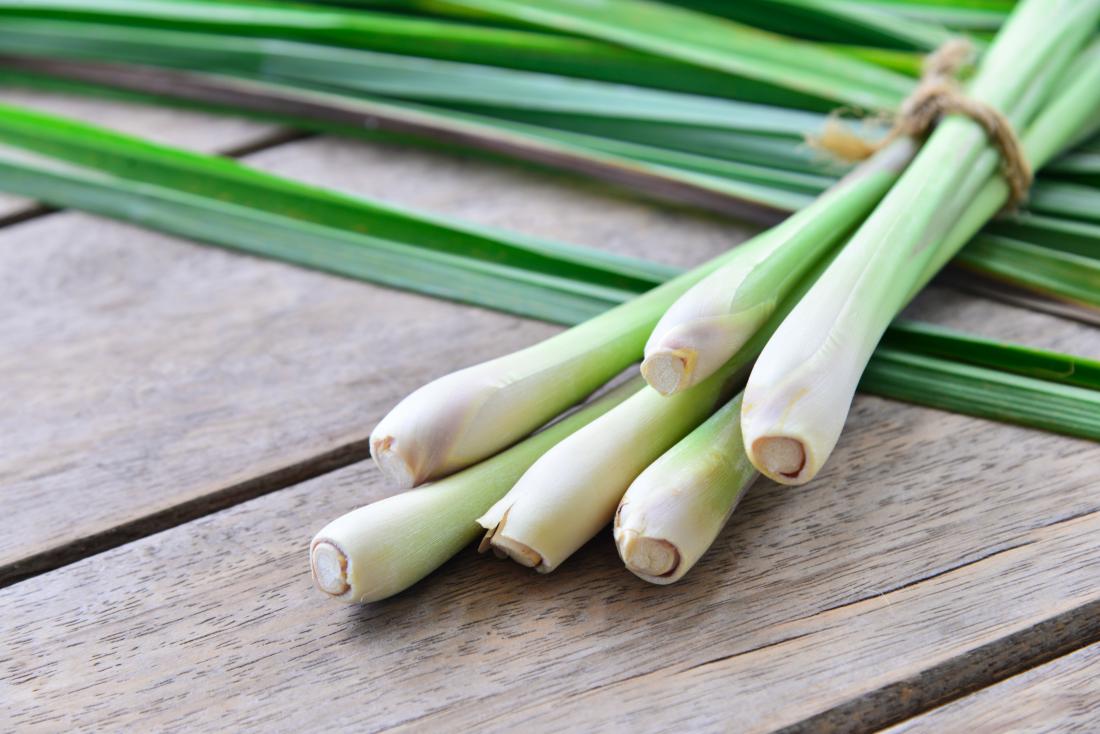
Lemongrass gives soup and tea a citrus smell without making them sour.
What you get from 1 tablespoon chopped (6 g)
| Energy | 6 kcal |
| Protein | 0.1 g |
| Carbohydrate | 1.5 g |
| Fat | 0.03 g |
| Fibre | 0.1 g |
Source: USDA FoodData Central – www.fdc.nal.usda.gov. Values are approximate and may vary by variety and preparation.
| Read the numbers this wayThis serving gives a small macronutrient contribution in the serving normally used. The more important story is what its key nutrients do once the ingredient becomes part of a complete meal. |
Why it earns a place
Its aromatic oils provide flavour; normal culinary portions contribute little macronutrition. That aroma can make unsweetened drinks and light broths more appealing. Bruising the stalk before cooking releases more fragrance.
Vitamin C: the builder and iron helper
Vitamin C helps the body make collagen, the strong framework used in skin, gums, blood vessels and healing tissue. Eaten with beans, grains or leafy vegetables, it also helps the gut absorb more of their iron.
Unsaturated fat: useful when it replaces, not merely adds
Unsaturated fats can improve the fat balance of a meal when they replace some saturated fat. They still provide about nine calories per gram, so a measured amount matters.
Dietary fat: fuel and a nutrient carrier
Fat provides concentrated energy and helps the gut absorb vitamins A, D, E and K from the rest of the meal. Because it is calorie-dense, a little can be useful while repeated unmeasured pours can add up quickly.
Water: useful hydration that also comes with food
Water-rich foods replace some fluid while also supplying flavour and nutrients. They can be easier to eat in hot weather or when appetite is low, although they do not replace oral rehydration solution during significant dehydration.
Who may find this food especially useful
| People who struggle to eat or drink enough in hot weatherWater-rich foods can make hydration easier and are often light enough for a low appetite. They should accompany, not replace, water; severe dehydration needs oral rehydration solution and medical assessment. |
What needs context
| The limitation worth knowingThe stalk is fibrous and usually removed before eating. Concentrated oil is not the same as tea and may be unsafe internally. |
Try this next time
Lemongrass infusion
Bruise one short lemongrass stalk, simmer in 2 cups water for 5 minutes and strain.
Source: Lemongrass Tea – www.bbcgoodfood.com