Millet is the destroyer of mucus. Millet produces heat and dryness in the body. Winter season- In the winter season, we should eat things of warm nature. Millet gives heat. Millet chapati should be eaten with jaggery in ghee or sesame oil in the winter season. Eating Millet chapati provides relief in pain, joint pain, and neuralgia. The skin gets stretched due to the shape of the body. If you make chapati by mixing sesame seeds in millet flour, it gives more heat. Jaggery and bajra roti looks delicious. In winter, eat its khichdi with warm milk. It is nutritious food for winter season. By eating it, there is no effect of cold on the body.
Diarrhea- Millet has the property of causing dryness. By eating millet, the stool binds, and the thinness of the body is removed. When loose stools are being felt, then eating millet with Rabri, Khichdi, Ghughri, curd or buttermilk stops diarrhea. Patients suffering from the diarrheal disease for a long time should take millet regularly. When the glass comes out, mixing salt in millet flour, making a cake, and tying it on the anus stops the glass from coming out.
Face-beauty- If the redness of millet (redness that comes out while grinding khichdi) is rubbed, then the color of the face becomes brighter. The nutritious element iron found in 100 grams of millet- iron increases the blood cells. Carries oxygen from the lungs to the cells of the body. Builds and strengthens muscles. Iron deficiency causes anemia. Iron in millet is 5.00 mg.

Millet provides a sufficient supply of iron elements. The number of red blood cells remains fine by eating it. Phosphorus- It is 0.35 mg in millet. Phosphorus is an essential part of living body cells. It resides in bones and teeth and builds and protects them. Transforms acids and strengthens the energy activities of the body.
Protein – It is found in 11.6 grams of millet. Protein builds, nourishes, and protects the body. Due to its deficiency, dryness, and peeling of the skin, the color of the hair becomes orange-brown and the growth of children’s bodies stops – these are the defects. Millet is the best food to eradicate them.
Carbohydrate – It is 23.35 grams in millet. Millet is the best source of power.

Calcium – 42 mg in millet. Calcium helps in bodybuilding, strengthens the working force of the nervous system, the innate tendency of blood clotting, and protects its own power of body cells. Its deficiency leads to osteoporosis, dental deformities, and rickets. Thiamine (Vitamin ‘B-1’) It is 0.33 mg in millet. Thiamine is helpful in the normal functions of the nervous system. The thiamine of cereals is destroyed when the peel is removed. Eating khichdi is more beneficial for the heart Riboflavin (Vitamin ‘B-2’ or ‘G’) in millet is 0.25 mg. It increases the body, gives strength to the cells, helps in recovery after diseases and rebuilding of muscles. Stops diarrhea and vomiting. Due to its deficiency, there is lightening, skin deformity, roughness in the eyelids and swelling of the lips-tongue-nose. Niacin is 2.3 mg in millet. Niacin keeps breathing right. It is essential for body growth and generates energy. Niacin is available in full quantity by eating millet or khichdi.
Vitamin ‘A’ – 132 mg found in millet. Vitamin A enhances the body, gives, and enhances vision power. Its deficiency causes night blindness and dryness of the skin and reduced fluid secretion. The utility of millet to cure this is obvious. Energy available to the body- 361 calories of energy are available from millet. We should also include millet in our daily diet.

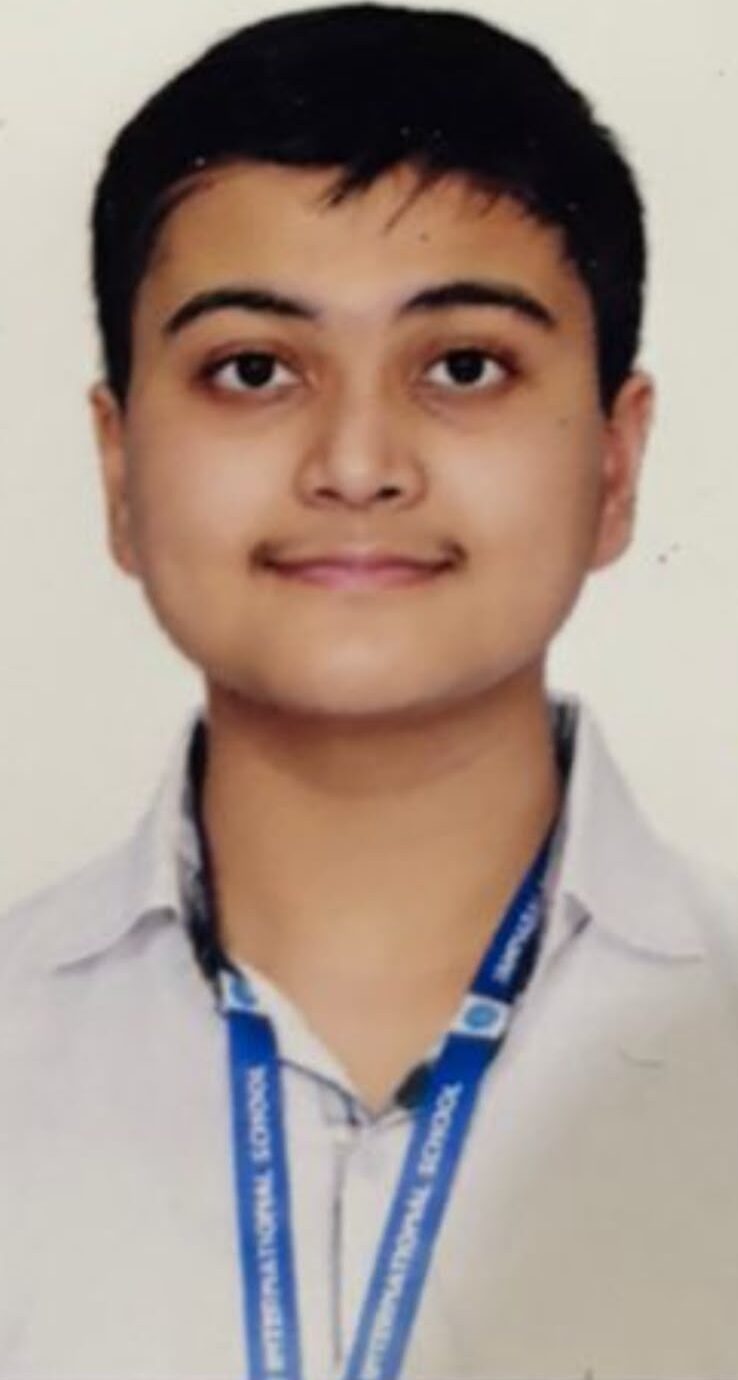
Authors

  • Mihir Gupta

    Do you know a punjabi who is not a foodie... well I would call
    Myself a health aficionado . Food has an enthusiastic effect on me . Being the younger sibling with various health conditions, I was nurtured in an environment of overprotectiveness. Their concern was rooted in my lower immunity and frequent illnesses and my mother always emphasized a healthy diet, instilling in me the belief that "you are what you eat”.
    This belief was put to the test when I was the only one in my family to contract COVID-19. The isolation was challenging but became a pivotal moment for self-care and introspection. During this period, I leaned heavily on the wisdom imparted by my mother, who shared recipes for nutritious green juices and herbal teas, all sourced from our kitchen garden. I meticulously journaled this experience, recording each meal and its impact on my health.

  • Breathing is not always automatic. I learnt that the hard way.
    Even now, I can recall the harrowing memory from when I was 4: 3 AM, my chest tightening faster than I could explain. My parents rushing to find the nebuliser.
    For most kids, a medicine cabinet is usually a background object. Not for me, though. Ours had a schedule. Steroids. Inhalers. Steam. Nebulisers.
    My missed school days were no longer measured by absences, but by how long it took for my lungs to recuperate. This illness exiled me from the very body my childhood self had once taken for granted.
    But alongside the treatment, I began to notice smaller rituals. Rituals that made the illness feel a little less consuming. The nushkas (home remedies) were endless: adrak wali chai, honey stirred into turmeric or the steam inhalation my mom transformed into a myriad of herbs. My mother never called it nutritional science, but she knew what to make and when.
    When “healthy food” came to my mind, I pictured imported products, expensive superfoods and products in a vocabulary my childhood self could not decode.
    But I looked at my own kitchen.
    Lentils simmering, ginger crushing, yoghurt culturing. Ingredients so familiar, yet so valuable. The more I googled, the more I realised health shouldn’t be hidden behind imported deliveries. Sometimes, it can begin with what’s already waiting on the kitchen counter.
    This realisation became the foundation of Food Thy Medicine for me.
    I met my co- founder in the waiting room of a pulmonologist's clinic, where our shared routines of inhalers and nebulisers made the idea feel less like a project but a conversation we had to continue. Thus, I began contributing to this project during the summers after Grades 9 and 10. What began as an interest in food and health became deeply personal: a way to turn years of dependence on doctors, prescriptions and steroids into a desire to understand the body better. As a co-author, I helped build a platform that makes nutrition information practical, not glamorous.
    The research for my AI ensured isn’t built for a perfect kitchen, rather the half- empty fridge, rushed day and leftovers that people ask “What can we do with this?” It turns familiar ingredients into realistic meal ideas and our research explains what those ingredients contribute nutritionally.
    The point was never to make food mythical but to make useful information feel less daunting and more reliable. It does not replace doctors or medicine: and it shouldn’t. I still take my prescribed medicine. I still live with asthma. But the illness taught me that care doesn’t begin and end at a clinic door and may be found in the ordinary decisions at home. What we cook, what we keep in the fridge and how we care for ourselves between appointments.
    I can’t control every flare up. But I can keep asking better questions, and help more people see possibility in the food around them.

Next Post

Leave a Reply