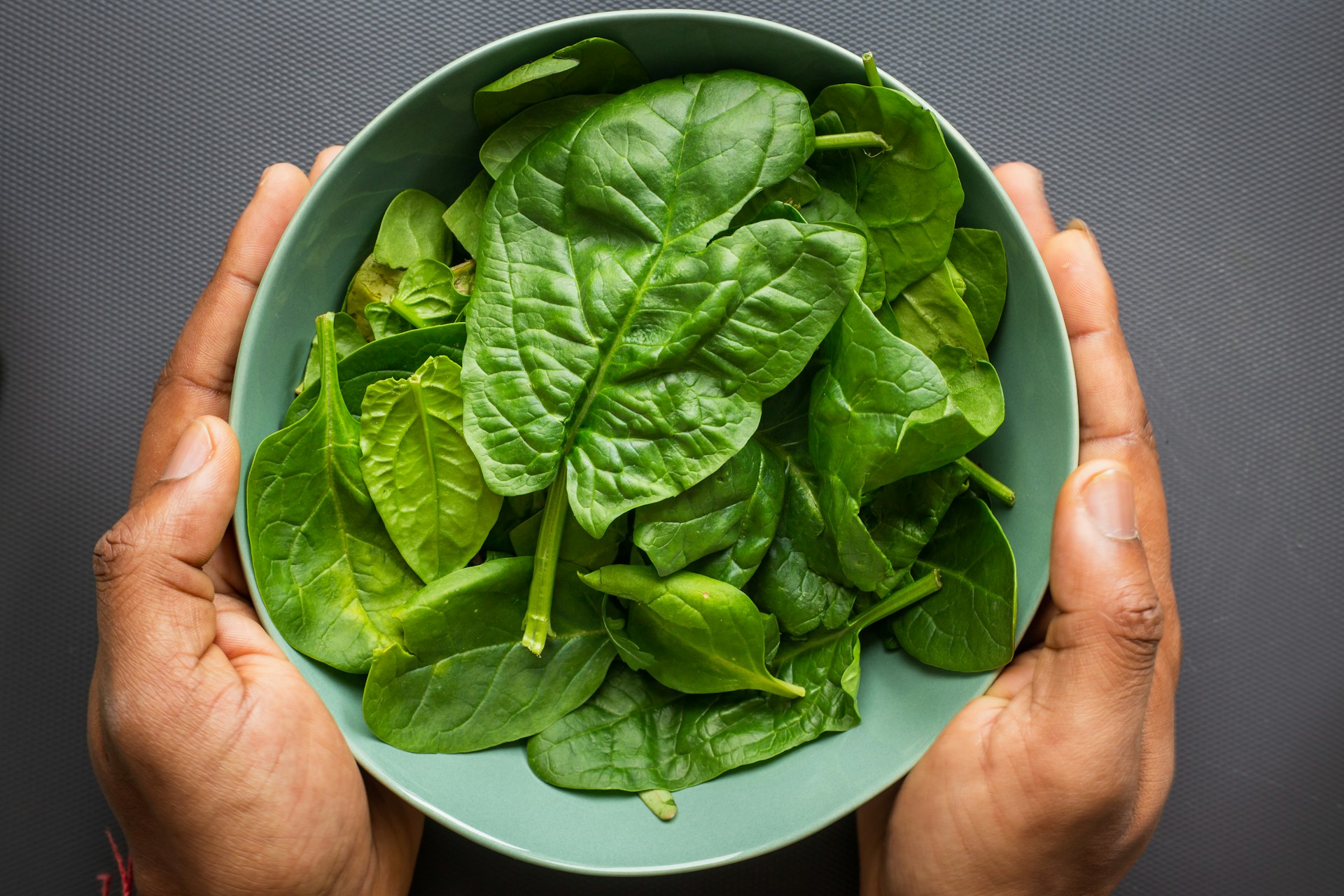
Nature – By adding cinnamon to the digestive, dry, and cold spinach, its cold nature is changed. Cooking spinach does not destroy its properties. Vitamin A, B, C, iron, calcium, amino acids, and folic acid are found in abundance in spinach. Eating raw spinach feels bitter and salty, but it is beneficial. Raw spinach raita with curd is very tasty and beneficial. In qualities, the herb of spinach is more than all other herbs. If its juice is not good to drink, then after kneading the dough in its juice, it should be eaten by making roti. Spinach increases red blood cells. Removes constipation. Eat spinach with lentils and other vegetables. Spinach juice is a cleansing agent and a nourisher for the entire digestive system (stomach, small and large intestines). Nature has kept all kinds of purifying elements in the juice of raw spinach. Spinach protects against infectious diseases and diseases caused by toxic germs. Vitamin ‘A’ found in spinach is useful for protecting mucus membranes.
Hair fall –
Spinach contains a special amount of vitamin
(A), which is very important for the hair of the head. Those who have hair fall on their head should consume raw spinach daily, due to which hair fall stops.
Cough –
Mixing one spoon of raw spinach juice, one spoon of ginger juice, and one spoon of honey three times a day, cures cough. Patients have been told experiencing this. If there is asthma, cough, irritation of the throat, inflammation of the lungs, and tuberculosis, then gargling with spinach juice is beneficial. Along with this, after boiling two spoons of fenugreek seeds in two cups of water, after filtering one cup of water, adding one cup of spinach juice and honey according to taste, drinking it twice daily is beneficial in all these diseases. Lungs get power. The mucus gets thin and comes out. Blood disorders and dryness of the body are removed by the consumption of spinach.
Anemia – Mix two spoons of honey in half a glass of spinach juice and drink it for 50 days. This will increase the amount of blood in the body. It supplies iron to pregnant women.
Blood disorder –
Spinach is best to remove the deficiency of blood. If you take 125 grams of spinach juice thrice a day for the diseases related to blood loss, then all the disorders get rid of redness on the face, energy in the body, circulation of enthusiasm and power, blood circulation happens faster. With continuous use, the complexion of the face becomes brighter. Blood increases. The vegetable should be eaten by adding spinach leaves to the moong dal along with its juice, raw leaves, or peel. It purifies and strengthens the blood. Spinach is beneficial in jaundice, mania, hysteria, thirst, burning, and gall fever.
Pyorrhea –
Spinach juice strengthens the teeth and gums. The patient with pyorrhea should eat raw spinach by chewing it with his teeth. Pyorrhea is cured by drinking spinach juice in the morning on a hungry stomach. Adding carrot juice to it stops bleeding gums. Eyesight increases by drinking spinach juice.
Stones –
Many people believe that eating spinach causes stones, but it should be understood that by consuming raw spinach juice, stones never occur. Oxalic acid is found in Spinach which dissolves in water. Spinach contains calcium and phosphorus, which together form calcium phosphate, which does not dissolve in water, which leads to the formation of stones. Therefore, patients with stones should not eat only spinach vegetables. Mixing spinach and green leafy fenugreek together with greens does not make stones.
Cracking heels –
There are cracks in the feet. Grind raw spinach and apply it to the feet. Wash it after four hours, it will be beneficial.
Chronic diarrhea –
Diarrhea happens for many months, even good, effective medicines do not
give full benefit, such chronic diarrhea is due to lack of iron, folic acid in the body. Drinking half a cup of spinach juice four times a day stops chronic diarrhea. There is a circulation of energy in the body.
Decreased urination – If a sufficient amount of potassium and nitrate reaches the body, then urine comes freely and in sufficient quantity. Mixing an equal quantity of spinach juice in green coconut water and drinking it twice daily, urine comes freely. The elements mentioned above are found in them. Spinach juice is beneficial in Duodenal Ulcers Diseases of the digestive system: Constipation is cured in a few days by drinking half a glass of raw spinach juice in the morning. Its vegetable is beneficial in intestinal diseases. Constipation is also removed by eating vegetables like spinach and bathua. Eating spinach in large quantities continuously for a few days is beneficial in stomach diseases. Spinach juice is beneficial in gastric ulcers, intestinal wounds, etc. Frequent urination at night is reduced by eating spinach vegetables in the evening.
Throat pain – Boil spinach leaves and filter the water and squeeze the leaves too. Gargling with this warm water cures sore throat.