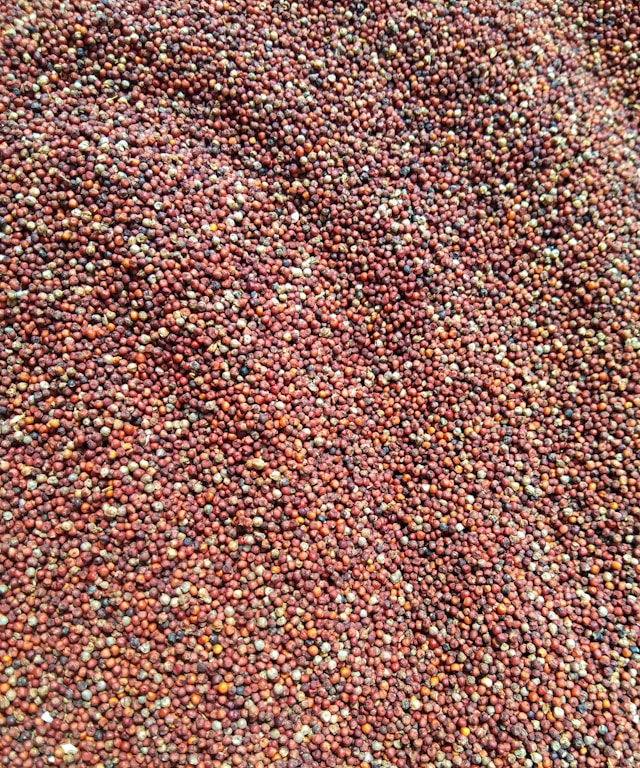
Mustard oil is one of those ingredients that is probably sitting on your shelf, collecting dust, or being poured mindlessly into a pan without anyone stopping to think about how much power it has to change a dish.
What you get from 1 tablespoon (14 g)
| Energy | 124 kcal |
| Protein | 0 g |
| Carbohydrate | 0 g |
| Fat | 14 g |
| Fibre | 0 g |
Source: USDA FoodData Central – www.fdc.nal.usda.gov. Values are approximate and may vary by variety and preparation.
| Read the numbers this wayThis serving gives concentrated fat and energy. The more important story is what its key nutrients do once the ingredient becomes part of a complete meal. |
Why it earns a place
It provides concentrated fat and energy. A little fat helps the body absorb vitamins A, E and K and carotenoids from foods such as carrots and leafy vegetables; these nutrients are involved in vision, cell protection and normal blood clotting. The important question is whether the spoon replaces another fat or simply adds 124 calories to a meal that already has enough. The ingredient is the same, but the nutritional effect is not.
Dietary fibre: smoother digestion and steadier energy
Fibre gives stool enough bulk to move through the gut more easily. It also slows the release of sugar from a meal, so energy arrives more steadily instead of rising and falling all at once.
Folate: for making fresh cells
Folate is a B-vitamin the body uses whenever it copies DNA and makes new cells. That work is constant in the blood, skin and gut, and it becomes especially important during pregnancy and periods of growth.
Carotenoids: colour with a job
These orange, red and dark-green plant pigments help protect cells from everyday damage. Some can also be converted into vitamin A, which the eyes use for low-light vision and the body uses to maintain healthy skin and protective linings.
Vitamin A: vision and protective surfaces
Vitamin A helps the eyes adjust when light is low and keeps the lining of the lungs, gut and skin working as a barrier. Bright orange and dark-green plants often provide carotenoids that the body can turn into vitamin A.
Who may find this food especially useful
| People who need flavour and energy in a measured amountFats are useful when appetite is low or when vegetables need help becoming satisfying. They are less useful when added freely to an already rich meal. |
What needs context
| The limitation worth knowingMustard oil can contain erucic acid, which has caused heart changes in animal studies at high exposure; human risk depends on concentration and intake. Choose regulated edible oil, measure it, avoid prolonged smoking and do not repeatedly reuse it. Erucic acid is a long-chain fatty acid that caused heart changes in animal studies at high exposure. Human risk depends on the amount in the product and how much is eaten, so edible-grade regulated oil and measured use are more sensible than assuming every bottle is identical. Repeated heating also speeds oxidation and creates breakdown products, which is why the same oil should not be used again and again. |
Try this next time
Mustard-oil baingan mash
Mix roasted mashed brinjal with onion, coriander, green chilli and 1 measured teaspoon edible mustard oil.
Source: Baingan Chokha – www.vegrecipesofindia.com